
Crypto Calculator Collection: How to Convert BTC/USDT/ETH Online
A crypto calculator collection lets you convert major assets such as BTC, USDT, and ETH in real time. Enter an amount to see its corresponding value, switch between crypto and fiat currencies, and quickly estimate portfolio or transaction amounts.
Online crypto calculators are among the most practical tools for everyday trading and asset management. They use live market prices to convert values between currencies instantly, reducing the risk of manual calculation errors. This guide explains how to use online calculators for BTC, USDT, ETH, and other major assets efficiently.
What Can a Crypto Calculator Do?
Mainstream online calculators typically support the following functions:
Crypto-to-crypto conversion: See how much ETH or USDT equals 1 BTC.
Crypto-to-fiat conversion: View the real-time value of BTC, ETH, or USDT in currencies such as USD, CNY, and EUR.
Flexible amount estimates: Enter any quantity to get the corresponding value immediately.
Reverse calculation: Enter a target value to calculate how much crypto you need.
Multiple asset support: Beyond BTC, ETH, and USDT, many calculators cover popular assets such as SOL, BNB, and XRP.
These tools often obtain data from CoinGecko, CoinMarketCap, or live exchange APIs. Frequent updates make them useful for quick decision-making references.
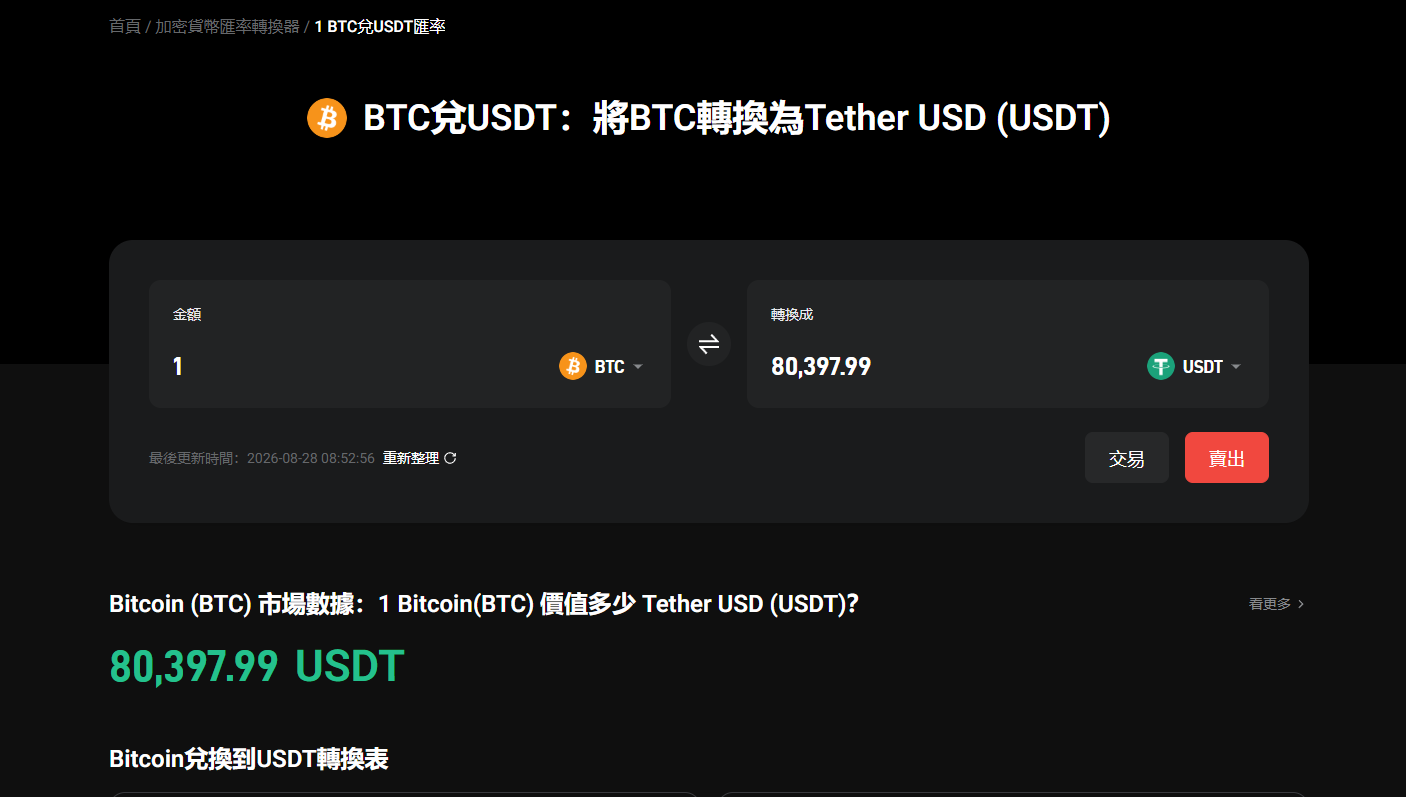
How to Use an Online Crypto Calculator Step by Step
Open the built-in calculator on Hotcoin or another exchange.
Select the source asset, such as BTC, and the target asset, such as USDT or ETH.
Enter an amount. Decimal values such as 0.5 BTC are supported.
The system immediately displays the converted amount and current exchange rate.
To check a fiat value, switch the target currency to USD, CNY, or another supported option.
Bookmark frequently used pairs or save a screenshot of the current rate for reference.
The process is straightforward and more efficient than checking a price and calculating the result manually. It also adds practical guidance that many highly ranked results do not explain systematically.
Common Conversion Scenarios and Practical Tips
Portfolio valuation: Enter the amount of BTC or ETH you hold to estimate its current value in USDT or fiat currency.
Pre-trade estimates: Before buying ETH with USDT, use the calculator to estimate how much ETH you may receive.
Cross-asset comparison: Convert directly when you want to know approximately how much ETH equals 1 BTC.
Fee estimates: Some advanced calculators let you include a trading fee to produce a result closer to the expected net amount.
Keep the following points in mind:
Calculator rates are indicative. The execution price may differ because of slippage, market depth, and pricing differences between exchanges.
For large conversions, check the live order book on the exchange where you plan to trade.
Network latency or a temporary data-source interruption can cause small discrepancies. Refresh the page before relying on the result.
Comparison With Leading Results and Added Value
Clear categories for features and operating steps.
Real-world use cases and practical techniques.
Common sources of discrepancies and recommendations for cross-checking results.
Use Cases and Risk Notice
Daily asset management: Track the converted value of your holdings at any time.
Trade preparation: Quickly confirm an approximate conversion rate before placing an order.
Learning and comparison: Help beginners understand the relative value of different cryptocurrencies.
Risk notice: Online calculator results are for reference only and do not constitute trading advice. Actual executions depend on the exchange order book. Stay alert to online security risks and never enter sensitive information on unofficial websites.
Frequently Asked Questions
Q1: Where can I find the most accurate real-time BTC-to-USDT rate?
A: Rates shown by leading calculators and major exchanges such as Binance, OKX, and Bitget are generally close to the live market. For a large trade, check the depth of the order book on your intended exchange.
Q2: Why does the calculator result differ from the amount I actually receive?
A: The main reasons are fees, slippage, and the bid-ask spread. Calculators commonly use a midpoint or latest-traded price, while an actual transaction deducts fees and executes against available liquidity.
Q3: Can I convert multiple cryptocurrencies at the same time?
A: Some advanced tools support multi-asset comparisons, but most basic calculators process one pair at a time. You can run several calculations or save screenshots for comparison.
Q4: Do fiat conversions support the Chinese yuan?
A: Most international tools support USD and EUR, while some Chinese-language platforms or exchanges also display CNY. Actual deposits and withdrawals should still use compliant channels.
Q5: What should a beginner watch for when using a calculator for the first time?
A: Start with a small test amount, verify that the data source is reliable, and develop the habit of comparing the result with the exchange's live price.
With these methods, you can efficiently use a crypto calculator collection to convert BTC, USDT, ETH, and other major assets online. Bookmark the tools you use most often and make rate verification part of your routine. Market rates change continuously, so consistent cross-checking and disciplined judgment remain essential.
Recommended
View more