How Do You Check a Token Contract Address to Avoid Fake Tokens?
Checking a token contract address is the core way to tell real tokens from fake ones. Verifying the address through official channels can effectively prevent asset losses caused by sending funds to a fake token contract.
The crypto market is flooded with imitation tokens whose names and icons look almost identical to the real thing, yet their contract addresses differ. Knowing how to check a contract address correctly is a basic skill for keeping your assets safe. This guide walks through how to look up and verify token contract addresses in real-world use.
Why Is the Contract Address So Important?
A token's unique identifier is its contract address, not its name or icon.
- Fake tokens can copy the name, the logo, and even the trading volume.
- What cannot be forged is the contract address on the blockchain.
- If you use the wrong address for a transfer or an approval, the assets may be lost for good.
So before any operation involving a token, verify the contract address first.
How to Check a Token Contract Address Correctly (Step by Step)
- Start with official project channels: the website, official documentation, the official Twitter account, or Discord.
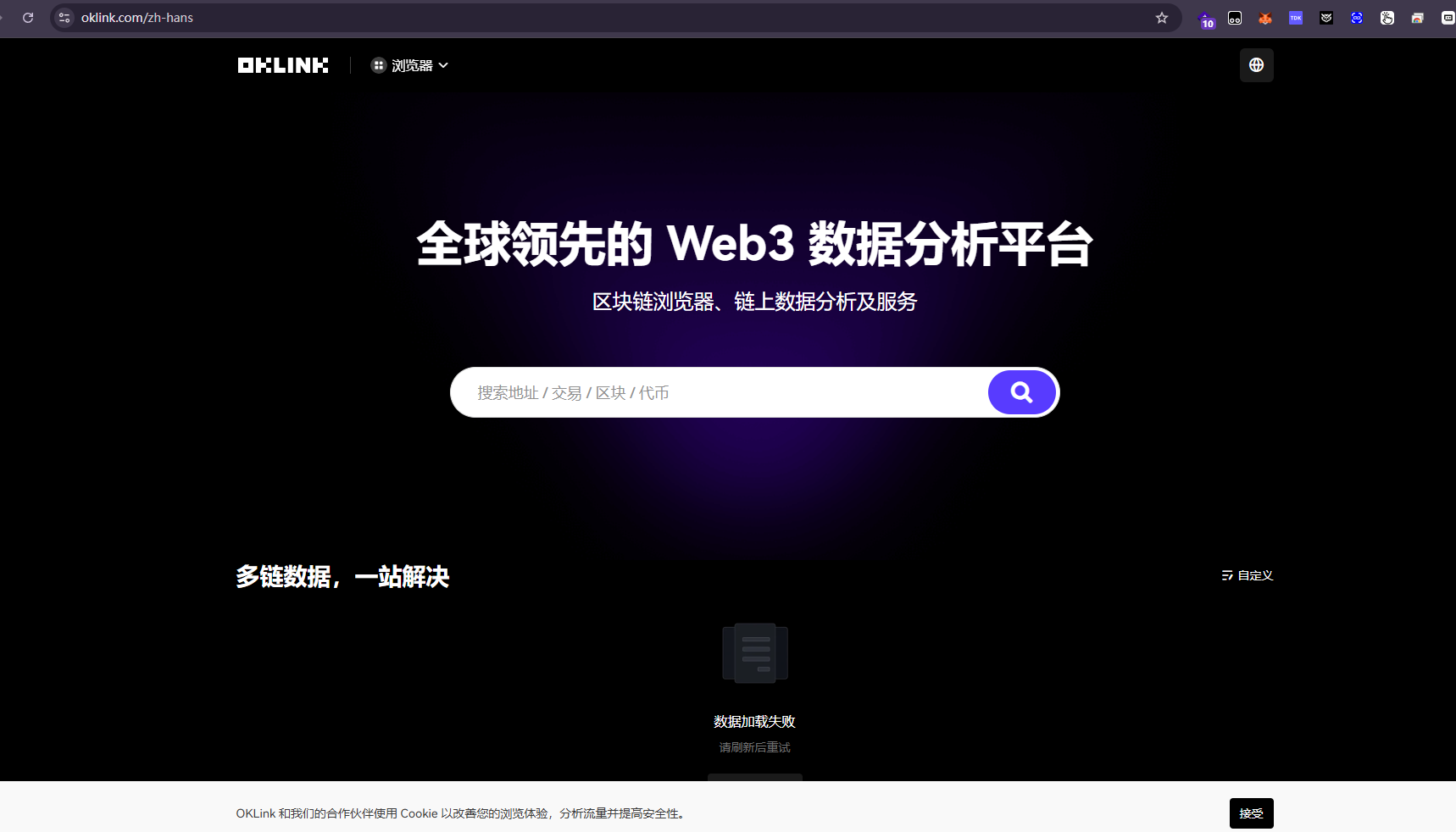
- Use a trusted blockchain explorer (such as Etherscan, BscScan, TronScan, or Solscan) to search for the token name.
- Check that the contract address shown by the explorer is exactly the same as the one published officially.
- Review whether the contract is open source, whether it has been audited, and whether the holder distribution looks abnormal.
- When adding a custom token in a wallet or exchange, paste only the verified official contract address.
- After adding it, confirm once more that the token name, symbol, and decimals match the official information.
It is one extra step, but it greatly reduces the risk of running into a fake token, and it is a practical gain that top-ranking results rarely emphasize systematically.
How to Tell Whether a Contract Address Is Reliable
- Authoritative source: The address comes from the project's official website or social media, not from an unfamiliar link or a group chat.
- Explorer verification: It can be found on the blockchain explorer of the corresponding chain and is marked as official or carries a verified badge.
- Holdings and trading: Check whether the top holders are concentrated and whether there has been abnormal large-scale minting.
- Open source and audit: The contract code is open source and audited by a well-known audit firm, which means relatively lower risk.
- Community feedback: Check whether many users have reported the address as a fake token.
Common risk signals:
- The contract address does not match the officially published one.
- The token name has one extra letter or symbol (for example, "USD T" versus "USDT").
- Liquidity is extremely low yet high returns are advertised.
- Users are asked to approve something first before they can claim an airdrop or earnings.
Use Cases and Risk Notice
- Adding a custom token: When adding one manually in a wallet, you must use the official contract address.
- Joining a new project: Verify the contract first, then decide whether to interact.
- Receiving a transfer: Confirm that the sender is sending the token of the correct contract.
- Risk notice: Even with a correct contract address, the project itself may still carry exit-scam, extra-minting, or vulnerability risks. Data from lookup tools and explorers is for reference only and is not investment advice. Be especially careful with approval operations, and when necessary use a firewall or a test account to try things out.
FAQ
Q1: Why can't I look only at the token name and icon?
A: Names and icons are extremely easy to copy. A fake token can be made to look almost identical to the real one; only the contract address is unique.
Q2: Does the same token have the same contract address on different chains?
A: No. USDT has separate contract addresses on Ethereum, Tron, BNB Chain, and other networks, and you must use the matching one.
Q3: If a blockchain explorer shows the address, is it definitely safe?
A: Not necessarily. An explorer only displays on-chain data; it does not guarantee that a project is compliant or free of fraud. You still need to cross-check against official sources.
Q4: What should I do if I accidentally added a fake token contract?
A: Stop all approvals and trading immediately and do not transfer anything. You can hide the token in your wallet and check whether you have already made any dangerous approvals.
Q5: What is the single most important thing for beginners to remember when checking a contract address?
A: Always treat the contract address published by the project officially as the standard, and never trust an address from a group chat, a direct message, or an unfamiliar website.
With the methods above, users can check token contract addresses efficiently and identify fake tokens effectively. Before adding a token or joining a new project, make it a habit to verify through both official channels and a blockchain explorer. One extra security step means one less risk to your assets.
Recommended
View more