How to Use a Crypto Unit Converter (BTC to Satoshi / ETH to Gwei)
A crypto unit converter turns BTC into Satoshi and ETH into Gwei in one click, helping users handle small transfers, gas fee calculations, and precise bookkeeping while avoiding the errors that come with unit mix-ups.
BTC and ETH are large base units, so transfers, gas payments, and micro-amounts often call for much smaller ones. A unit converter is the practical answer to that problem. This guide walks through BTC→Satoshi and ETH→Gwei conversions and the situations where they matter.
Why do you need unit conversions?
Bitcoin and Ethereum both use a subdivided unit system:
Bitcoin (BTC): 1 BTC = 100,000,000 Satoshi. The Satoshi is the smallest unit of bitcoin, well suited to small transfers or precise balances.
Ethereum (ETH): 1 ETH = 1,000,000,000 Gwei, and 1 Gwei = 1,000,000,000 Wei. Gwei is the unit most often used to calculate gas fees.
Without a clear grasp of these ratios, it is easy to make order-of-magnitude mistakes when filling in amounts, estimating fees, or checking statements.
Core conversion ratios at a glance
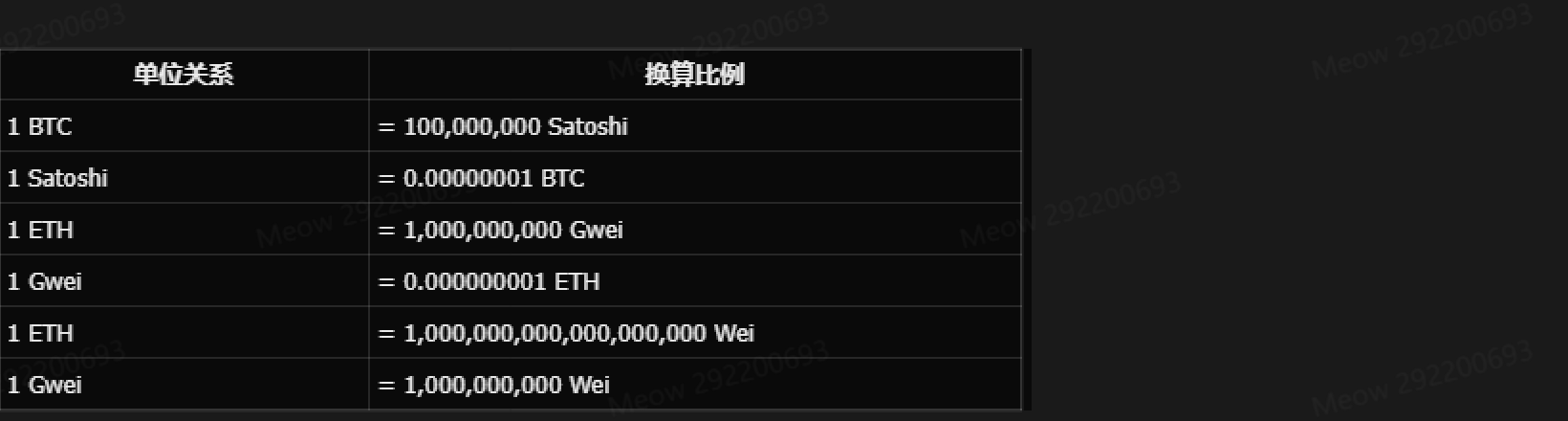
These are fixed mathematical relationships that do not change with market prices.
How to use an online unit converter (step by step)
Open a tool that supports crypto unit conversion (most exchanges, block explorers, and dedicated calculators offer one).
Choose the source unit (BTC or ETH) and the target unit (Satoshi or Gwei).
Enter an amount and the result appears instantly.
To convert in the other direction, simply switch the input fields.
For gas fees, add the Gas Limit and Gas Price (in Gwei) to estimate the total cost.
Save or screenshot the conversions you use most often so you can check them later.
The tool is simple to use and far less error-prone than manual math, and it fills a practical gap that top search results rarely explain systematically.
Common use cases and tips
Small transfers: When sending less than 0.01 BTC, Satoshi is more intuitive to read.
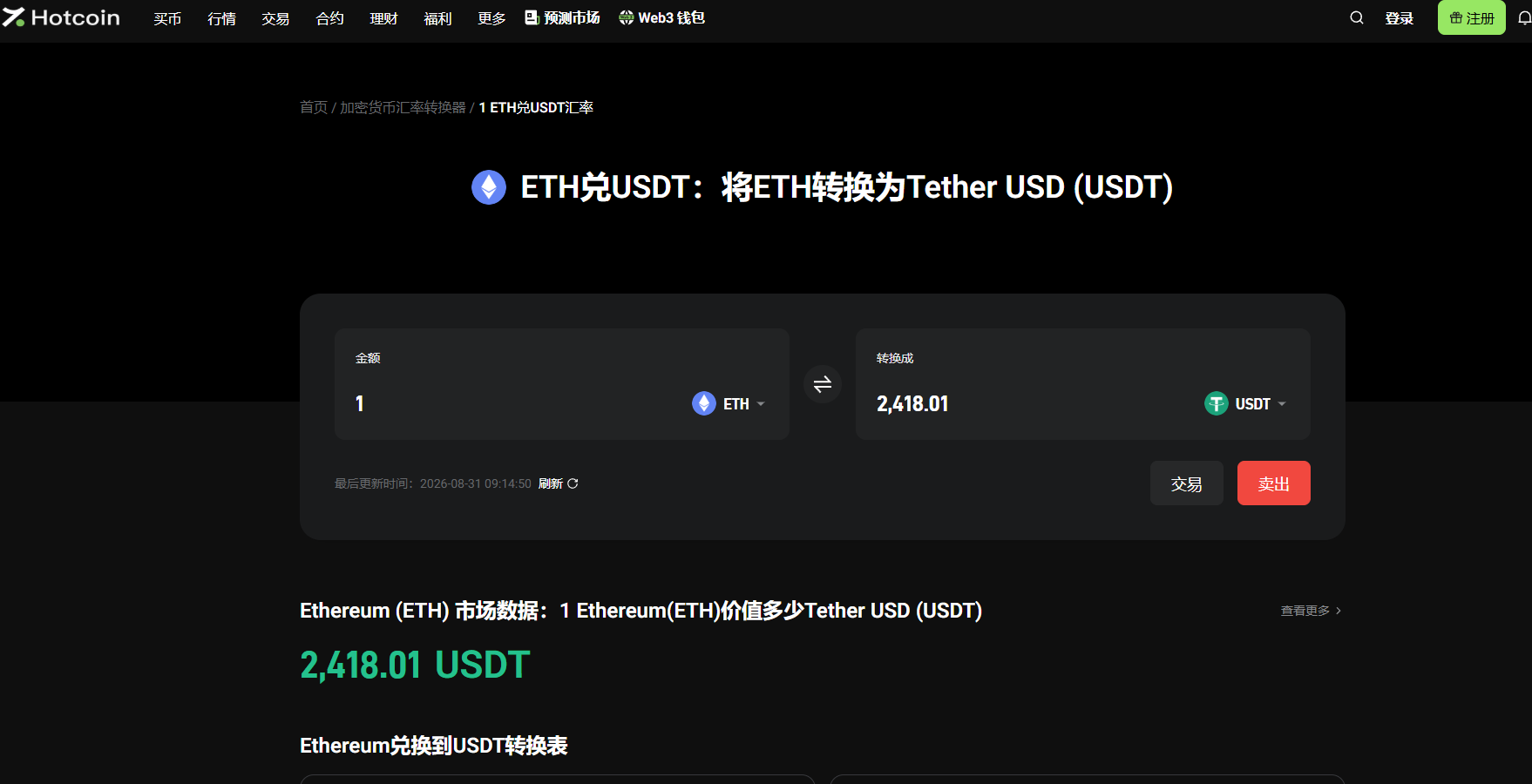
Ethereum gas fee estimates: Gas Price is usually displayed in Gwei, and converting it to ETH shows the actual cost clearly.
Precise bookkeeping: Wallet balances and transaction records sometimes appear in the smallest unit, and converting them makes them easier to understand.
Contract interaction and development: Smart contracts express amounts in Wei, so development and testing involve frequent conversion.
Tips:
Remember the key orders of magnitude: 1 BTC = 100 million Satoshi, 1 ETH = 1 billion Gwei.
Handle large and small amounts separately to avoid input errors caused by long strings of decimals.
For an actual transfer, the amount confirmed by your wallet or exchange is what counts.
Use cases and risk notes
Everyday transfers and payments: Enter small amounts accurately.
Gas fee management: Estimate Ethereum transaction costs in advance.
Learning and development: Help beginners and developers get comfortable with the unit system quickly.
Risk note: Unit conversion itself involves no price risk, but an input error can skew the transferred amount. Check carefully and double-confirm any important operation. The tool is for reference only, and the on-chain execution result is final.
FAQ
Q1: How many Satoshi are in 1 BTC?
A: It is fixed at 100,000,000 Satoshi.
Q2: Why do Ethereum gas fees use Gwei instead of ETH?
A: Gas Price values are small, so Gwei is easier to read (20 Gwei, for example) and avoids long strings of decimals.
Q3: Can Satoshi and Gwei be converted into each other?
A: Yes, but only through the market prices of BTC and ETH, because they are native units of two different blockchains.
Q4: Do converter results change with price swings?
A: Unit conversions (BTC↔Satoshi, ETH↔Gwei) use fixed ratios and are unaffected by price. Only fiat value changes with the market.
Q5: What mistake do beginners make most often?
A: Misplacing the decimal point, which scales the amount up or down by several orders of magnitude. Cross-check the converted figure against the amount your wallet displays.
With these steps, you can use a crypto unit converter efficiently and complete BTC→Satoshi and ETH→Gwei conversions accurately. Bookmark the tools you use most and turn them into a habit. Once the unit system is familiar, small transfers and gas fees become much easier to handle.
Inirerekumendang pagbabasa
Tingnan ang higit pa